
REVIEW · VILLAGE AND CULTURE TOURS
Victoria Falls: Village Life Experience
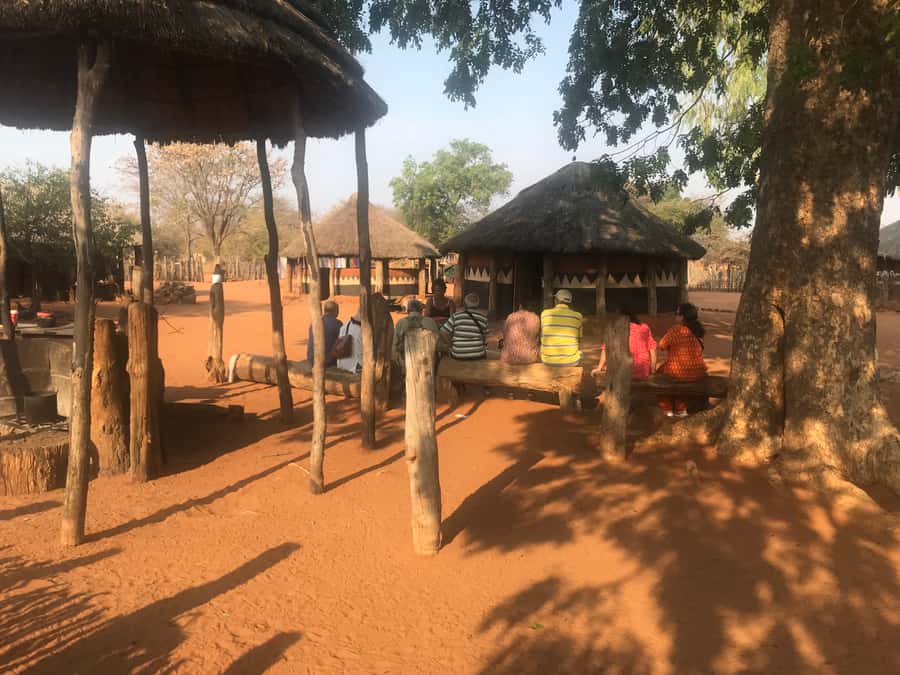
Leave the falls behind for a few hours. This three-hour village visit takes you into rural Matabeleland North, where a local guide explains customs, daily work, and how many Zimbabweans still live outside the modern town. I like the chance to take part in ordinary tasks, such as stamping maize, rather than simply watching a staged dance. I also like the small-group limit of 15 people and the ease of hotel pickup and drop-off.
The main point to consider is the word village. On at least one outing, the visit focused on a single family rather than a whole settlement, and another booking lasted about 1.5 hours instead of the expected three. That does not make the experience worthless, but you should book it for a close look at rural family life, not for a long walking tour through a large village.
In This Review
- Key points at a glance
- Leaving Victoria Falls town for rural Matabeleland
- What the village visit really offers
- Meeting the guide and local residents
- The honest issue with the three-hour promise
- Why the $50 price can make sense
- What to bring and how to behave
- Accessibility, transport, and group size
- Who will enjoy this experience most
- My take on Cuckoo Safaris
- Should you book the Victoria Falls Village Life Experience?
- FAQ
- Where does the village experience take place?
- How long does the tour last?
- Is hotel pickup included?
- What language is the tour in?
- How large is the group?
- What activities might I take part in?
- Can I bring gifts for the villagers?
- What should I bring?
- Can I cancel or pay later?
Key points at a glance
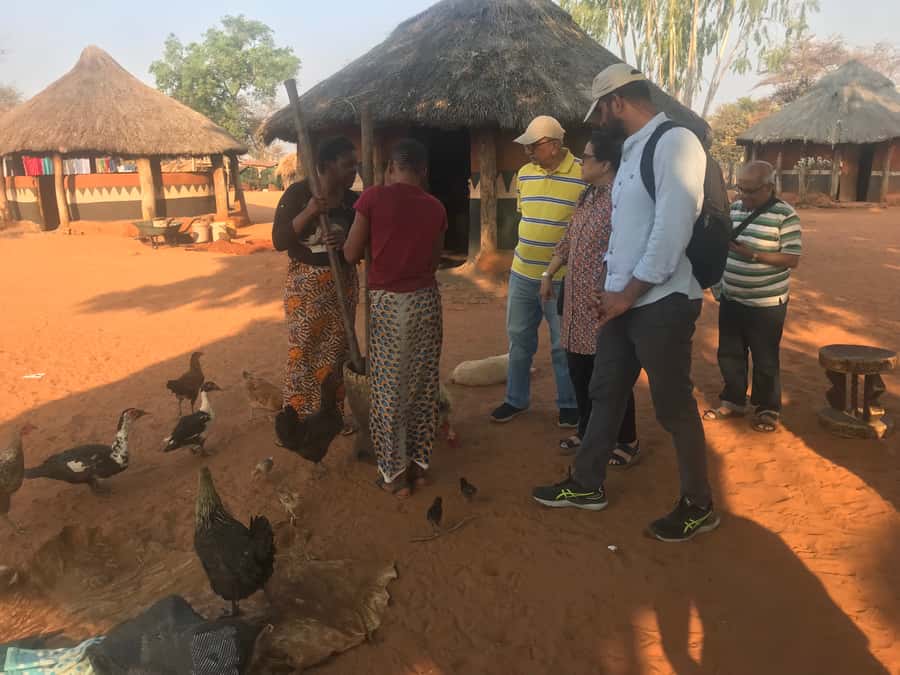
- Maize stamping makes the visit hands-on: You may be invited to help with a basic daily task instead of standing at the edge of the action.
- The setting is rural Victoria Falls: The experience takes place near Victoria Falls town, in the broader national park area of Matabeleland North.
- A local guide supplies the context: English explanations cover customs, local history, and present-day rural life.
- The experience is small-group: A maximum of 15 people should make questions and conversation easier.
- Timing needs a little flexibility: The booking is described as three hours, but one reported visit ran for roughly 1.5 hours.
- Useful gifts are allowed: You may bring stationery, garments, sweets, or another item you think could be useful to villagers.
Leaving Victoria Falls town for rural Matabeleland

The tour begins with pickup from the Victoria Falls Hotel or another stated Victoria Falls pickup point. You are asked to wait in your hotel lobby 10 minutes before departure, a simple detail that matters in a town where several excursions may collect passengers at similar times.
The drive takes you away from the familiar hotel zone and toward a rural area connected with Victoria Falls National Park. The change is not just physical. Around the falls, your day is usually shaped by viewpoints, wildlife outings, and activity schedules. Here, the focus turns to homes, work, customs, and the routines of people living in the region.
That change of pace is the reason I find this outing useful. It gives you a chance to place the famous waterfall within its wider setting. Victoria Falls is not an isolated attraction. It is part of a lived-in region, and this visit offers a direct way to learn about that region from someone who can explain it in English.
The precise transport time is not provided, so do not expect a minute-by-minute schedule. The activity itself is planned for three hours, including pickup and return, with around two hours assigned to the village visit and guided tour.
More village and culture tours in Victoria Falls:
- Victoria Falls Rural Tour: Village Life Experience
★ 4.5 · 15 reviews - Victoria Falls Gorge Hike & Farm to Table Village Lunch
★ 5.0 · 15 reviews - Horse Riding Community Village Tour Experience
★ 5.0 · 13 reviews
What the village visit really offers
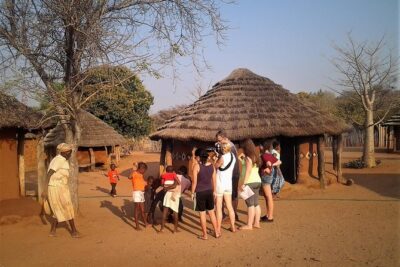
The central experience is a guided look at rural life in the Victoria Falls area. You learn how local customs continue in the present day and how daily tasks shape family life. The guide explains what you are seeing, which makes the visit more useful than simply being driven to a rural home and left to look around.
One of the most telling details is maize stamping. During one visit, the group was allowed to stamp maize with local residents. It is a small activity, but it changes your role. You are not only taking photographs or listening to a talk. You are trying, briefly, to perform part of the work that supports a household.
You may also find the opportunity to buy homemade souvenirs. This gives you a direct way to support the people you meet, although you should treat purchases as optional rather than part of the tour’s main purpose. The heart of the visit is the conversation and explanation, not shopping.
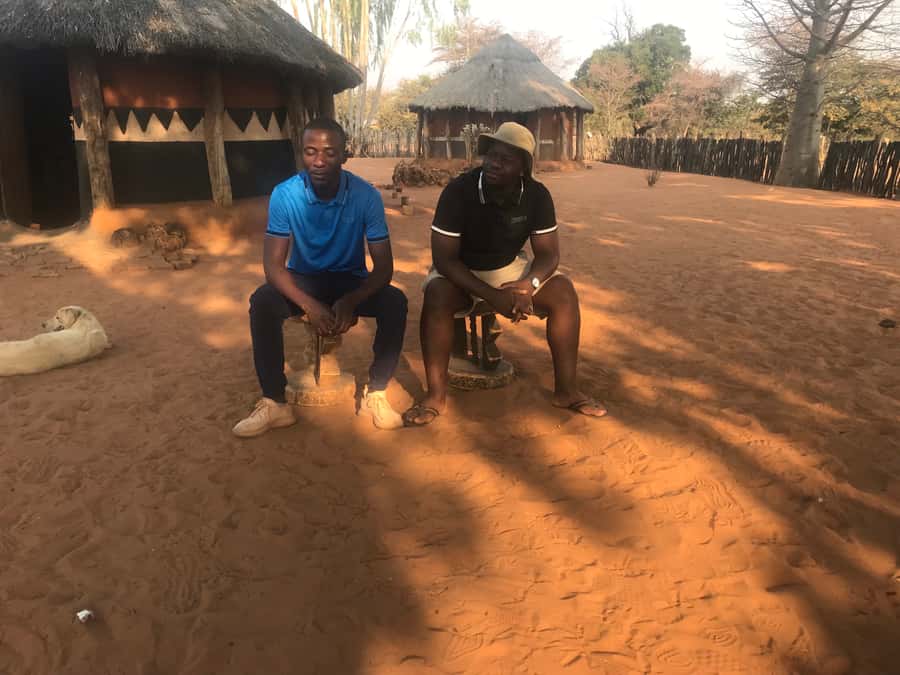
The experience is described as a way to see how many Zimbabweans still live in rural areas. That wording deserves a little care. You are not being shown every form of Zimbabwean life, and one family cannot represent an entire country. The value lies in a focused introduction to one local way of living, explained in its own setting.
Meeting the guide and local residents
The guide is an important part of the experience. A warm, clear explanation can help you understand the difference between observing a household and making unfair assumptions about it. The strongest feedback about this outing praises the host for explaining traditions and ways of living in detail.
English is the tour language, and both a live guide and an English audio guide are included. The live guide should be your main source of information, since this is an experience built around people and conversation. The audio support may be useful for additional explanation, but the supplied information does not say exactly when or how it is used.
The small-group format is another plus. With up to 15 people, you have a better chance to hear the guide and ask a question than you would on a large coach excursion. Still, 15 is not an intimate private visit, so be prepared to share the space and the conversation.
Your manner matters here. Dress for the weather, listen before photographing, and follow the guide’s direction about where to stand and what you may touch. The experience is presented as a meeting with villagers, not as a performance arranged for tourists. A respectful attitude helps keep it that way.
The honest issue with the three-hour promise
The stated duration is three hours, with about two hours allocated to the guided visit. That makes the outing easy to fit around other Victoria Falls plans. You can spend the morning or afternoon away from town without giving up a full day.
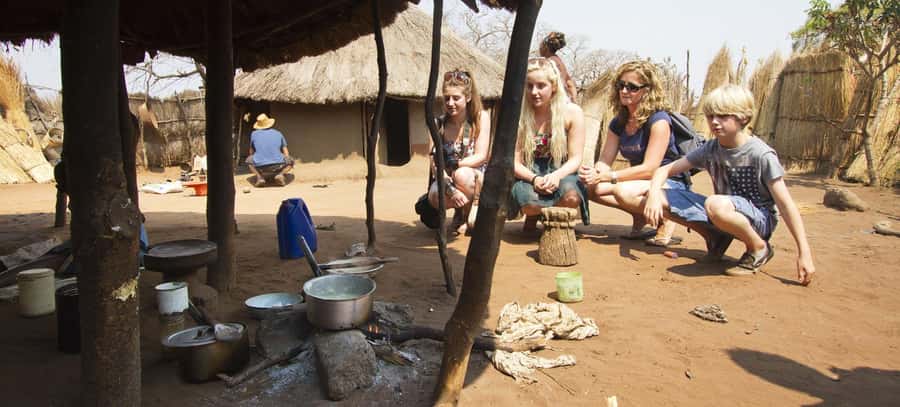
But you should allow for variation. One person reported that the visit lasted only about 1.5 hours, despite the three-hour duration. Another found that the experience involved one family rather than a full village. Those details are important because they affect what you think you are buying.
If you want a broad walking tour, several households, and a long series of demonstrations, this may feel limited. If you want a compact introduction to one rural family and its customs, the shorter format may still feel worthwhile. I would confirm the expected timing with Cuckoo Safaris before booking if the schedule is tight.
The difference may also come from transport, pacing, or the way the local visit is arranged on a given day. The available information does not explain why the length varied, so I would not assume that every departure follows exactly the same pattern.
More things to do at Victoria Falls:
- Helicopter Scenic Flight over Victoria Falls 12-13 minutes Flight
★ 5.0 · 1,391 reviews - Victoria Falls: Dinner Cruise on the Zambezi River
★ 4.9 · 925 reviews - Dinner Cruise on the Zambezi River
★ 5.0 · 518 reviews - Victoria Falls: Chobe National Park Day Trip with Lunch
★ 4.7 · 518 reviews
Why the $50 price can make sense
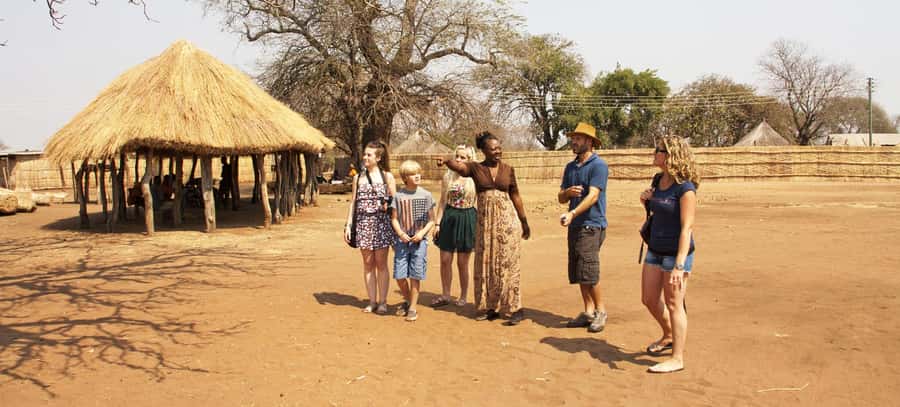
At $50 per person, this is not the cheapest way to fill a few hours near Victoria Falls. You are paying for more than access to a rural area. The price includes a guided visit, hotel pickup and drop-off, a bottle of water, and the chance to meet local residents through an organized cultural activity.
The value is strongest if you care about context. A waterfall visit shows you a remarkable natural sight. This experience helps you understand something about the people and customs of the surrounding area. The guide’s explanations and the opportunity to take part in a task such as maize stamping give the fee more substance than a simple sightseeing transfer.
The value is weaker if you measure the tour by time alone. If your visit ends after roughly 1.5 hours, $50 may feel high for the amount of activity. The price is easier to justify when the full schedule is delivered and the guide provides the detailed explanations that make the setting meaningful.
I would also factor in convenience. A separate taxi to a rural area, plus arranging a local introduction yourself, would not offer the same structure or certainty. The hotel transfer reduces hassle, especially if you are staying at the Victoria Falls Hotel or another pickup point in town.
What to bring and how to behave
Victoria Falls can be hot and bright, so bring sunglasses, a sun hat, sunscreen, and clothing suited to the weather. A bottle of water is included, but you should still arrive prepared for time outdoors.
You are allowed to bring presents for the villagers. Suggested items include stationery, garments, sweets, or anything else you believe could be useful. If you choose to bring something, keep it modest and practical, and let the guide explain the best way to offer it.
Avoid treating gifts as an entrance fee. You are not required to bring anything, and the visit should not depend on handouts. The point is to learn, participate when invited, and meet people with courtesy.
A camera may be useful, but ask before taking close photographs of people or private spaces. The supplied instructions do not set out a photography policy, so the safest approach is to follow the guide and the family’s wishes.
Accessibility, transport, and group size
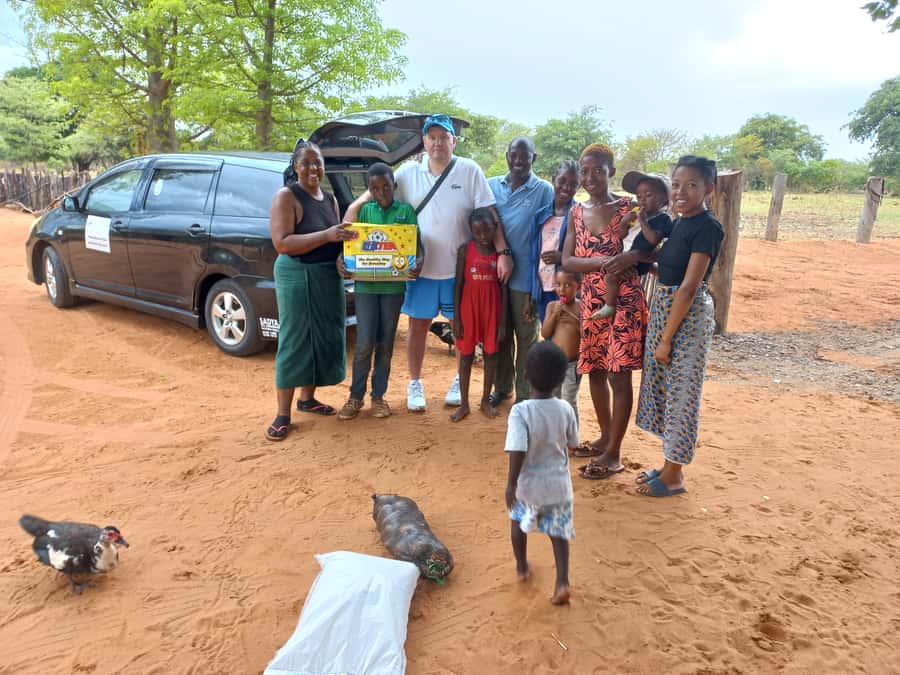
The activity is listed as wheelchair accessible, which is useful information if you need step-free arrangements. Rural settings can vary, however, and no detailed information is provided about paths, surfaces, vehicles, or access inside the homes. If you use a wheelchair, contact the provider before departure to discuss the exact conditions.
Pickup and drop-off are included, with Victoria Falls Hotel given as a stated option. You should wait in the hotel lobby 10 minutes before the scheduled pickup time. The activity is conducted in English, with an English audio guide also available.
The group limit is 15 people. That is small enough to keep the guide’s explanation within reach, though it is not the same as a private tour. If you value quiet conversation, ask how many places remain before booking.
The booking also allows free cancellation up to 24 hours before the start time, and you can reserve now and pay later. Those policies make it easier to fit the visit around a changing Victoria Falls schedule.
Who will enjoy this experience most
I would recommend this tour to you if you want a human connection alongside the area’s natural attractions. It suits people who enjoy asking questions, trying a simple daily task, and learning how customs continue in rural Zimbabwe.
Families may find the maize activity especially memorable, provided children can listen to instructions and behave respectfully. The tour can also suit first-time visitors who want an introduction to local life without committing to a full-day cultural program.
It is less suitable if your main goal is a large, detailed village tour. The experience may center on one family, and the actual visit may be shorter than three hours. You should also skip it if you prefer to keep your holiday focused only on wildlife, scenery, and adventure activities.
The best mindset is simple: expect a personal glimpse, not a complete portrait of Zimbabwe. That makes the experience more honest and helps you appreciate what it can actually provide.
My take on Cuckoo Safaris
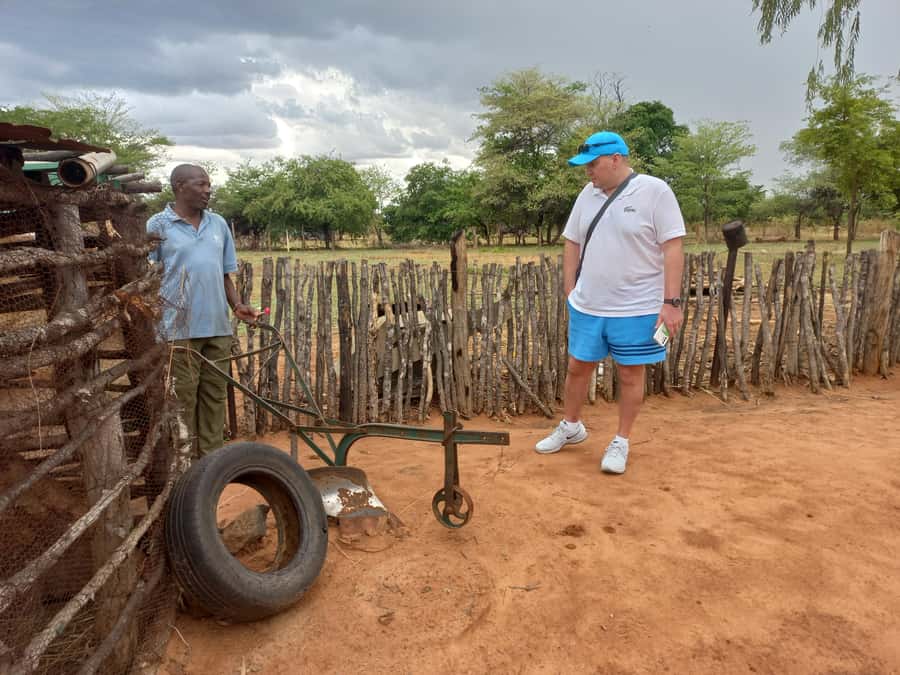
Cuckoo Safaris has put together an outing with a clear purpose: take you beyond the usual Victoria Falls sightseeing circuit and introduce you to rural customs through a local guide. The most praised part is the human element, especially the friendly host and the explanations about everyday life and traditions.
The activity also earns points for its practical design. Hotel transfers, water, English guidance, a small group, and flexible booking terms remove several common obstacles. You can fit it into a half-day plan without organizing rural transport on your own.
The main weakness is precision. A three-hour description sets a clear expectation, while a 1.5-hour visit and a single-family stop create a different experience. I would ask the provider to confirm the likely duration and whether the visit will involve one household or several before paying.
Should you book the Victoria Falls Village Life Experience?
Book it if you want a short, guided look at rural Zimbabwean life, and you are happy to participate with respect rather than simply collect photographs. The guide, the maize-stamping opportunity, and the chance to ask about customs are the strongest reasons to go.
Think twice if you need a full three hours of activity or expect a large village with many stops. For the best value, confirm the timing in advance, bring sun protection, and judge the $50 fee by the quality of the local conversation rather than by the number of minutes alone.
FAQ
Where does the village experience take place?
It takes place in a rural area near Victoria Falls town, in Matabeleland North, within the broader Victoria Falls National Park area.
How long does the tour last?
The scheduled duration is three hours, with about two hours set aside for the guided village visit. One reported outing lasted about 1.5 hours, so timing can vary.
Is hotel pickup included?
Yes. Hotel pickup and drop-off are included. Victoria Falls Hotel is listed as a pickup and drop-off option.
What language is the tour in?
The live tour guide speaks English, and an English audio guide is included.
How large is the group?
The tour is described as a small-group experience with a maximum of 15 participants.
What activities might I take part in?
You may be invited to join daily village tasks. One example is stamping maize with local residents.
Can I bring gifts for the villagers?
Yes. You may bring items such as stationery, garments, sweets, or another item you believe could be useful.
What should I bring?
Bring sunglasses, a sun hat, sunscreen, and clothing suitable for the weather. A bottle of water is included.
Can I cancel or pay later?
You can cancel up to 24 hours before the activity for a full refund. You can also reserve your place and pay later.
Just added in Victoria Falls
- Zambia : Victoria Falls : Nature Bike Tour★ 5.0 · 2 reviews
- Zimbabwe: Victoria Falls Full-Day Package★ 5.0 · 2 reviews
- Zambezi River: Kid-Friendly Whitewater Rafting★ 5.0 · 3 reviews
- Zambezi River: Dinner Cruise★ 5.0 · 2 reviews
- Zambezi 3hr Game Drive★ 4.6 · 5 reviews
- Zambezi National Park Private Wildlife Safari (4 – 10 hours)★ 4.9 · 9 reviews
- Victoria Falls Village Cultural Tour – Authentic Experience★ 5.0 · 3 reviews
- Victoria Falls: Zambezi River White Water Rafting Experience★ 5.0 · 7 reviews
Village and Culture Tours, compared.
Victoria Falls Gorge Hike & Farm to Table Village Lunch
Read our review →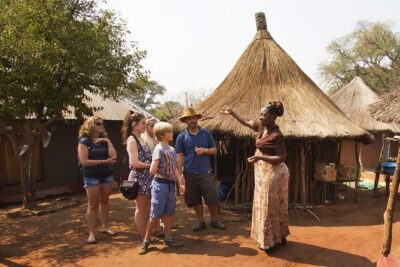
Victoria Falls Rural Tour: Village Life Experience
Read our review →
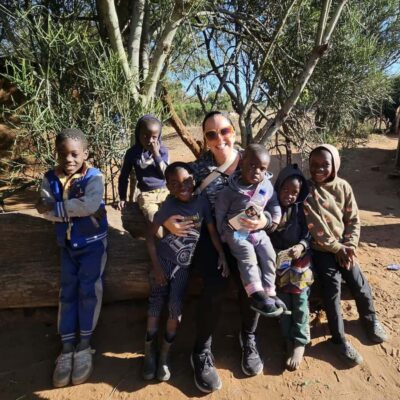
Livingstone: Amazing Traditional Village & Dance Culture
Read our review →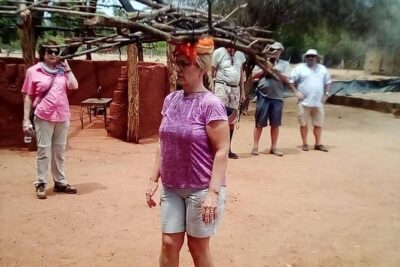
Cultural Village Tour,Interacting With the Communal Villagers (Educational Trip)
Read our review →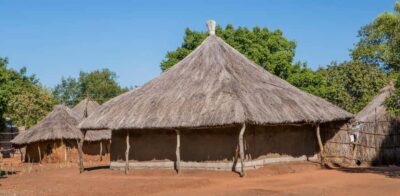
Browse the lists this tour appears in