
REVIEW · GREAT ZIMBABWE AND RUINS TOURS
Great Zimbabwe
Ancient walls rise from the Zimbabwean bush. Great Zimbabwe gives you a rare look at a major African stone city built by ancestral Shona people, with dry-stone walls, carved birds, symbolic chevrons, and a cultural village with Mbira music. I especially like the small-group format, limited to eight people, and the chance to see the Great Enclosure, hill complex, and valley ruins with a guide rather than simply wander past them.
I also like that the day includes hotel pickup, a late breakfast or brunch, a Zimbabwean lunch, and time at the museum. The main drawback is clear: this is a very long day, with roughly four to four and a half hours of driving each way from some departure points. For a site this important, I think the journey can be worth it, but you should know that the ruins themselves take about two hours to explore.
In This Review
- Key points to know before booking
- Why Great Zimbabwe deserves your time
- The 6:00 am start and the long road south
- Breakfast before the ruins
- Walking through the Great Enclosure
- The hill complex and valley ruins
- The museum and Zimbabwe bird sculptures
- A Zimbabwean lunch after the stones
- Mbira music at the cultural village
- Is the $260 price good value?
- Who will enjoy this tour most?
- What to pack for the 12-hour outing
- Booking, cancellation, and timing details
- Should you book Great Zimbabwe?
- FAQ
- Where does the Great Zimbabwe tour take place?
- What time does the tour start?
- How long does the experience last?
- How many people can join the tour?
- Is pickup available?
- What meals are included?
- What should I bring?
- Can I cancel for a refund?
Key points to know before booking
- The day begins at 6:00 am, allowing time for the long road journey and a full visit to Great Zimbabwe.
- The drive may take around four to four and a half hours each way, so this suits you best if you are comfortable spending much of the day in a vehicle.
- The tour group is capped at eight people, though some departures may feel almost private.
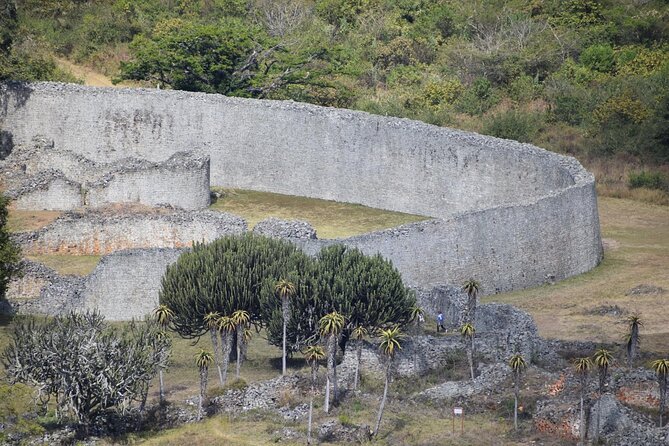
- The Great Enclosure, hill complex, and valley ruins give you three different views of the ancient city.
- Original Zimbabwe bird sculptures and stone carvings are displayed in the site museum.
- A Zimbabwean lunch and Mbira music add living culture after the archaeological visit.
Why Great Zimbabwe deserves your time
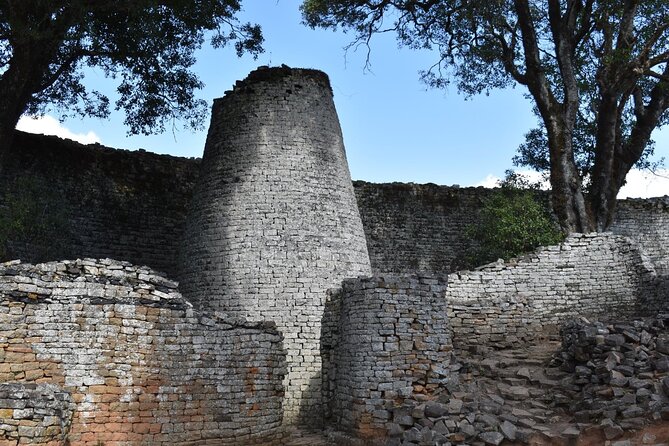
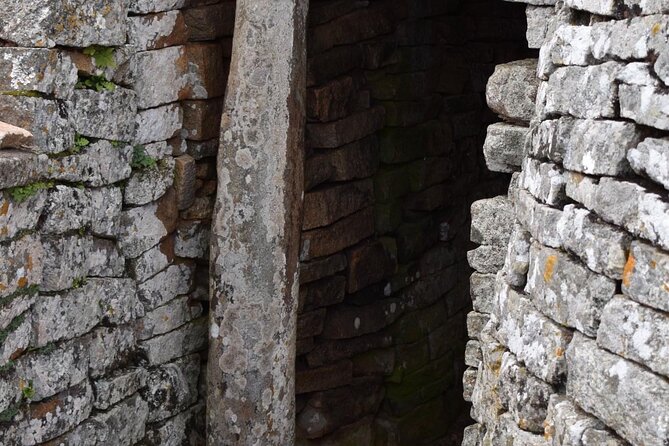
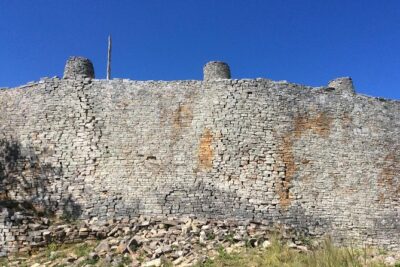
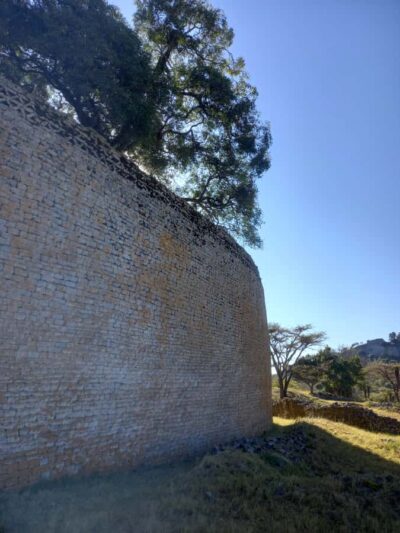
Great Zimbabwe is not a small pile of old stones. It was a major city founded in the 9th century and became the cultural heartland of Zimbabwe. Its walls were built without mortar, using carefully fitted dry stone. That alone makes the site remarkable, but the scale gives it real force.
The ruins are described as second only to Egypt’s pyramids in size among major ancient structures in Africa. You can see the skill in the long freestanding walls, the large enclosures, and the way the site spreads across a hill and the valley below.
I like the way this visit puts African engineering and state-building at the center of the story. You are not simply looking at ruins left behind by an unknown people. You are learning about the ancestral Shona communities who planned, built, and used this city.
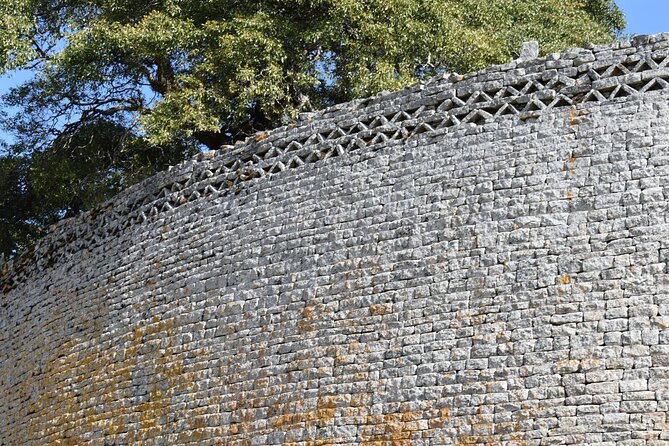
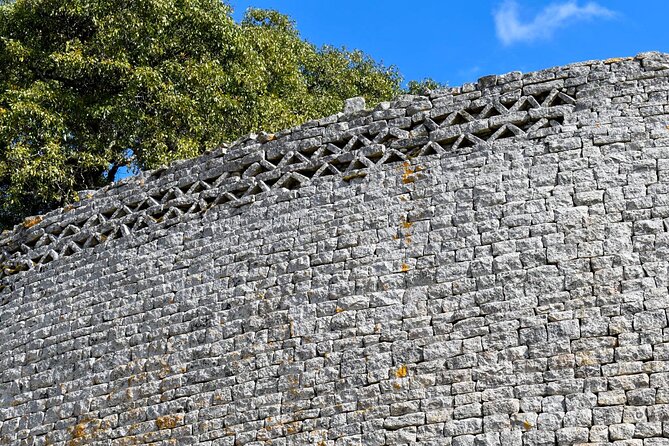
The site also carries cultural meaning that goes beyond masonry. Chevron patterns appear on the walls, with symbolism tied to fertility. A guide can explain why these patterns matter and help you read the structures as part of a society, not just as scenic stonework.
More ruins and heritage sites in Zimbabwe:
- Great Zimbabwe Tour from Harare
★ 5.0 · 6 reviews - Khami Ruins Day Trip
★ 5.0 · 6 reviews - Khami Ruins & Matopos Silunguzi Village Day Tour!
★ 5.0 · 4 reviews
The 6:00 am start and the long road south
Your day begins early, with pickup offered at 6:00 am. That start makes sense because the trip is listed at about 12 hours, and the drive to Great Zimbabwe can take roughly four to four and a half hours each way.
The road time is the main practical issue. If you are leaving from Bulawayo or another point some distance away, Great Zimbabwe is not a quick side trip. You will spend a large part of the day getting there and returning.
Still, a private or very small group vehicle changes the feel of the journey. A group of two may have the whole vehicle to themselves, while the maximum group size is eight. That gives you more room to ask questions, adjust conversation, and travel at a pace that feels less hurried.
Guide and driver Blessing has been specifically named as providing a careful, accommodating service and explaining the day’s plan at pickup. That kind of clear introduction matters on a long outing. You want to know when food, sightseeing, and the return drive are likely to happen.
Because the tour requires good weather, keep an eye on the forecast. If poor weather forces cancellation, you are offered another date or a full refund. That is useful protection for a day built around an outdoor archaeological site.
Breakfast before the ruins
A late breakfast or brunch is provided when you arrive. This is a sensible arrangement. With a 6:00 am departure, you may not want a full meal before leaving, and the food break gives you a chance to stretch before the walking portion begins.
The exact timing may vary with the drive, so I would still eat something light before pickup if you normally need food early in the morning. The included meal is helpful, but it should not be treated as a substitute for every snack you might want during a 12-hour day.
This pause also gives you a useful reset. After several hours on the road, you can get your bearings, prepare your camera and water, and put on the shoes you will use around the ruins.
Walking through the Great Enclosure
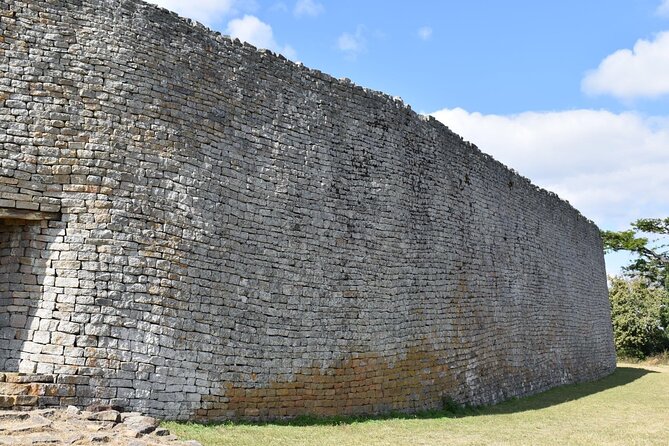
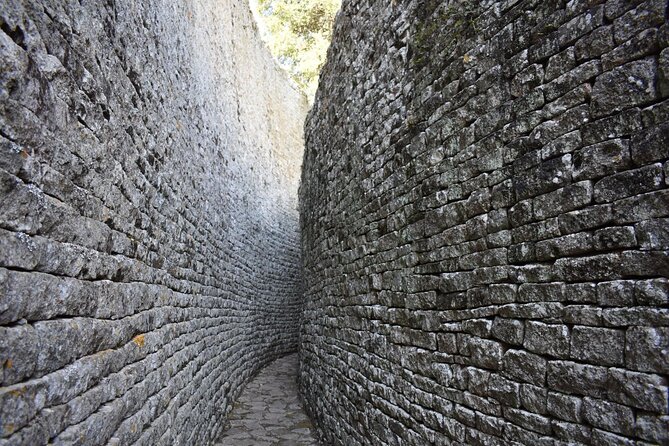
The Great Enclosure is the most visually powerful part of the visit. Its huge dry-stone walls show how much planning and labor went into the city. Because the stones are laid without mortar, the design depends on balance, shape, and careful placement.
You will see the original Chevron patterns on the walls. These repeated designs are not random decoration. Their association with fertility offers a window into the values and beliefs connected with the site.
The enclosure can feel especially impressive when your guide explains how the walls relate to the wider settlement. Without that context, you might focus only on height and shape. With an explanation, you begin to understand how the city’s built spaces reflected power, status, and ceremony.
The tour description places a thorough explanation of the ruins at the center of the visit. That is important because Great Zimbabwe rewards interpretation. You can appreciate the stonework on your own, but the story of who built it and what the symbols meant gives the site much more weight.
Allow for uneven walking and exposed conditions. Closed-toe walking shoes are recommended, and I would take that advice seriously. A hat, sunglasses, sunscreen, and insect repellant are also listed as useful items. On a hot day, these simple things can make the difference between enjoying the walls and worrying about your feet, skin, or insects.
A completely different kind of day:
- Helicopter Scenic Flight over Victoria Falls 12-13 minutes Flight
★ 5.0 · 1,391 reviews - Victoria Falls: Dinner Cruise on the Zambezi River
★ 4.9 · 925 reviews - Victoria Falls: Chobe National Park Day Trip with Lunch
★ 4.7 · 518 reviews - Dinner Cruise on the Zambezi River
★ 5.0 · 518 reviews
The hill complex and valley ruins
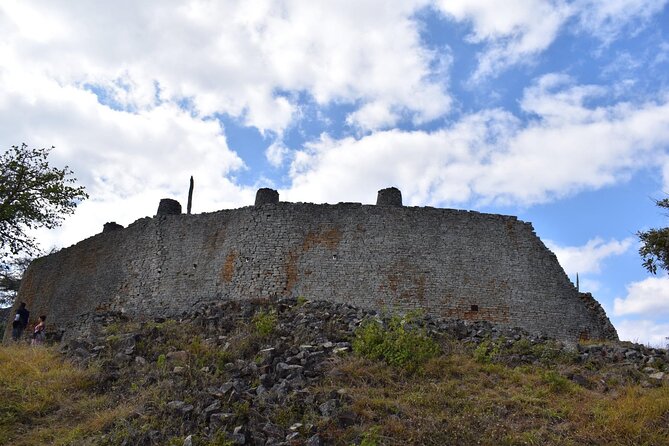
Great Zimbabwe is not one enclosure viewed from one path. The visit includes the hill complex and valley ruins, giving you a wider sense of how the settlement was arranged.
The hill complex adds height and a different angle on the site. From there, you can better understand the relationship between the stone structures and the surrounding area. The valley ruins help show that the city extended beyond its most famous wall.
This broader route is one reason the tour works better with a guide. It is easy to spend all your attention on the Great Enclosure and miss the significance of the other areas. A two-hour guided visit may sound brief after such a long drive, but it can cover the main features without leaving you to guess what you are seeing.
Do not expect a museum-style indoor attraction with every path paved or every section shaded. This is an outdoor archaeological site. Your comfort will depend on weather, footwear, sun protection, and your ability to walk for part of the visit.
The museum and Zimbabwe bird sculptures
The museum provides a useful change of pace after the walls and open ground. It houses original stone carvings of the Zimbabwe birds, among the site’s best-known cultural objects.
These sculptures add detail to the visit. The walls show the scale and construction of Great Zimbabwe, while the bird carvings connect the ruins with artistic and symbolic traditions. Seeing original pieces in the museum helps you understand that the site was not only a political or architectural center. It also had its own visual language.
I recommend paying close attention to the guide’s explanation here. The museum is small, so it may not take long to see, but its contents give you a closer look at objects that are harder to understand from the large ruins alone.
The museum also offers a welcome indoor pause if the day is hot. It should not be the main reason you book the tour, but it adds real value to the site visit.
A Zimbabwean lunch after the stones
After exploring the ruins, you receive a hearty Zimbabwean lunch. This is more than a practical meal. Local food gives the day a connection to present-day Zimbabwe after the historical focus of the morning.
The lunch is especially welcome because the tour starts early and includes substantial walking. A full meal lets you rest before the cultural village portion and the long return journey.
Because the exact menu is not specified, I would not book this expecting a particular dish. Think of it as an included Zimbabwean meal that helps break up the day and keeps the schedule manageable.
The food stop also gives you time to talk with your guide. If you have questions about the ruins, the Shona people, or the meaning of the cultural activities, this is a natural time to ask.
Mbira music at the cultural village
The cultural village brings living tradition into the day. You hear traditional Mbira music, an important part of life and a way to communicate with higher spirits.
This is a valuable counterpoint to the archaeological visit. Great Zimbabwe can seem distant when viewed only as a collection of old walls. Music helps connect the ancient site with cultural practices that still carry meaning.
I would approach this part with respect and attention rather than treating it as a quick performance between sightseeing stops. Listen to the sound, notice how it is presented, and let your guide explain its role. The Mbira segment may be one of the most memorable parts of the day because it shows culture as something practiced, not simply displayed in a museum.
Is the $260 price good value?
At $260 per person, this is not a budget outing. The value depends heavily on where you are staying and how many people are in your group.
The price includes a full-day service, hotel pickup, transport, a guide and driver, breakfast or brunch, the guided ruins visit, a Zimbabwean lunch, and the cultural village experience. You are also getting a small group, capped at eight people, rather than being placed in a large coach party.
For two people sharing a vehicle, the price can feel more reasonable because you receive a more personal day and avoid arranging transport to a remote archaeological site yourself. If you are alone, the cost is harder to ignore, but the convenience and included meals still matter.
The biggest question is not simply cost. It is time. If you have only a short stay in Zimbabwe, spending 12 hours on this trip means giving up most of a day elsewhere. If Great Zimbabwe is high on your list, the dedicated journey makes sense. If you are unsure about ancient ruins or dislike long road transfers, the price may not feel justified.
The excellent rating and full recommendation level suggest strong satisfaction, but I would still make the decision based on your own travel style. A high rating cannot shorten the road.
Who will enjoy this tour most?
I would recommend it to you if you care about African history, archaeology, architecture, or cultural traditions. It also suits visitors who want a guided explanation rather than a self-led walk around large ruins.
The tour works well for couples, solo visitors, and small families who value pickup and a set plan. Most people can participate, and service animals are allowed. The small maximum group size is a real benefit if you prefer questions and conversation over a crowded vehicle.
You should think twice if you have limited mobility or dislike outdoor walking, heat, or uneven surfaces. The available information says most people can participate, but it does not promise fully accessible paths or comfortable conditions in all weather.
It is also a poor match for anyone seeking a short excursion. The ruins may take about two hours to tour, but the transport makes this a full-day commitment.
What to pack for the 12-hour outing
Keep your day bag simple but practical:
- Closed-toe walking shoes with good support
- Hat and sunglasses
- Sunscreen
- Insect repellant
- Water and any personal snacks you need
- A light jacket, especially if you are sensitive to cool early mornings
- A camera or phone with enough battery for the ruins and museum
A jacket was useful advice for at least one departure, while sun protection mattered on a hot day. Conditions can change between an early pickup, open stonework, and the later drive home, so dressing in layers is sensible.
Booking, cancellation, and timing details
Confirmation is received when you book, and mobile tickets are available. Pickup is offered, and group discounts may be available, so check the final booking details if you are traveling with several people.
You can cancel free of charge up to 24 hours before the local start time for a full refund. Changes made inside that 24-hour window are not accepted, and late cancellations are not refunded.
The tour is provided by Bushmen Travel Company. Since the start time is 6:00 am and the day lasts about 12 hours, I would avoid scheduling an evening commitment afterward. Give yourself room for road delays or a slower return.
Should you book Great Zimbabwe?
Book it if Great Zimbabwe is a priority, especially if you want the Great Enclosure, hill complex, valley ruins, museum, lunch, and Mbira music handled in one organized day.
I like the small group, the included meals, the site interpretation, and the chance to see original Zimbabwe bird carvings. I also value the balance between ancient stonework and present-day cultural music. Those details make the trip more than a drive to photograph old walls.
My caution is the road time. Four to four and a half hours each way is a serious commitment, and $260 is a substantial price. But if you can spare the day and you are staying within practical driving range, this is a strong way to visit one of Zimbabwe’s most important cultural sites without wrestling with transport and planning yourself.
FAQ
Where does the Great Zimbabwe tour take place?
The tour takes place at Great Zimbabwe in Zimbabwe and includes the Great Enclosure, hill complex, valley ruins, museum, and cultural village.
What time does the tour start?
Pickup begins at 6:00 am.
How long does the experience last?
The full experience lasts approximately 12 hours.
How many people can join the tour?
The maximum group size is eight people.
Is pickup available?
Yes, pickup is offered.
What meals are included?
The experience includes a late breakfast or brunch and a hearty Zimbabwean lunch.
What should I bring?
Bring closed-toe walking shoes, a hat, sunglasses, sunscreen, and insect repellant. A jacket may also be useful for the early start or changing conditions.
Can I cancel for a refund?
Yes. You can cancel at least 24 hours before the local start time for a full refund. Poor-weather cancellations offer either another date or a full refund.
Just added in Zimbabwe
- Zimbabwe & Zambia side :Private Guided tour of the Falls★ 5.0 · 2 reviews
- Zimbabwe: Sundowner Cruise (Standard) Zambezi River★ 4.8 · 5 reviews
- Zambia : Victoria Falls : Nature Bike Tour★ 5.0 · 2 reviews
- Zimbabwe: Victoria Falls Full-Day Package★ 5.0 · 2 reviews
- Zambezi River: Kid-Friendly Whitewater Rafting★ 5.0 · 3 reviews
- Zambezi Night Game Drive★ 5.0 · 1 review
- Zambezi River: Dinner Cruise★ 5.0 · 2 reviews
- Zambezi 3hr Game Drive★ 4.6 · 5 reviews
Great Zimbabwe and Ruins Tours, compared.
Great Zimbabwe: The World’s View Historical Site !!
Read our review →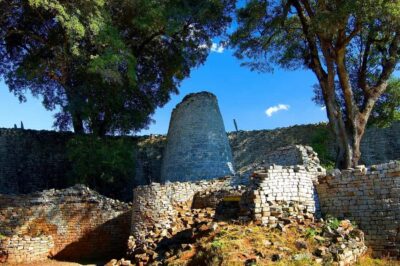
MASVINGO; GREAT ZIMBABWE MONUMENT TOUR – FROM HARARE
Read our review →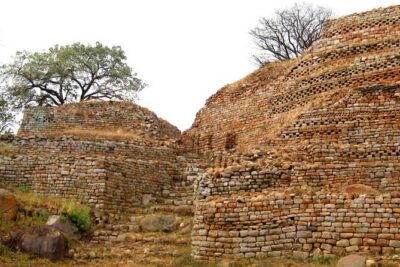
Khami Ruins & Matopos Silunguzi Village Day Tour!
Read our review →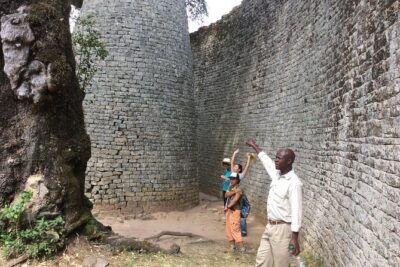
Great Zimbabwe Ruins Tour from Bulawayo with Picnic Lunch !
Read our review →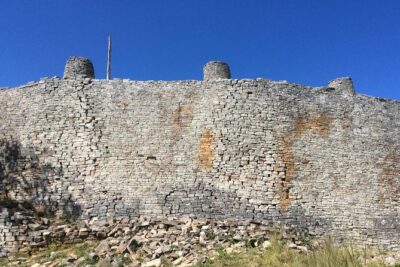

Browse the lists this tour appears in