
REVIEW · VILLAGE AND CULTURE TOURS
Livingstone: Amazing Traditional Village Tour
Village life begins just 20 minutes from Livingstone. This 3.5-hour visit to Muke village offers two things I especially like: a direct connection with local people and a clear community purpose through Tusoleke Trust School. You will also learn how traditional buildings are made and how local alcohol is produced, though you should bring plenty of water since none is included.
The tour is led by Alex Jakanani, founder of Tusoleke Trust School and vice-chair of the Simonga World Development Committee. I like that your guide has a close working link with the village and school, rather than simply arriving with a rehearsed speech. The main consideration is that this is an active community visit, not a polished cultural show, so you should approach it with respect, patience, and a willingness to follow local guidance.
In This Review
- Key points to know before you go
- Why this village visit feels different
- The short ride from Livingstone to Muke
- Walking through a traditional Lozi village
- Meeting local people and children
- Visiting Tusoleke Trust School
- Seeing how local alcohol is made
- Coffee, tea, and the small comforts
- Is $50 per person good value?
- Who should book this experience?
- Booking details worth knowing
- Should you book the Muke village tour?
- FAQ
- How long does the Muke village tour last?
- How far is Muke village from Livingstone?
- Is transportation included?
- Who leads the tour?
- Is water included?
- What does the tour price support?
Key points to know before you go
- Muke village is about 20 minutes from Livingstone, making this an easy half-day outing rather than a full-day commitment.
- Alex Jakanani leads the visit, bringing a personal connection to both the village and Tusoleke Trust School.
- Your $50 fee supports the school, with all tour profits going directly to Tusoleke Trust School.
- The school visit is a central stop, where you may see children sing and dance and get a closer look at community education.
- You learn practical traditions, including local building methods, Lozi words, and the making of local alcohol.
- Water is not provided, so bring enough for the entire 3.5-hour trip, along with sunscreen and insect repellent.
Why this village visit feels different

Many cultural outings give you a quick look, a few posed photographs, and a short speech before returning you to town. This experience aims for a closer connection. You walk through Muke village, meet local people, see how buildings are made, and visit a school that benefits directly from the money paid for the tour.
That link between tourism and education gives the visit a clear purpose. Your fee is not simply paying for transport and guiding. The profits support Tusoleke Trust School, which makes the school stop more meaningful. You can see the place that the tour is helping, rather than being asked to support an unnamed project somewhere else.
I also like the small scale. The experience is offered as a private group, so your time is not built around a large coach full of people. That should make it easier to ask questions, listen to Alex, and interact politely with people in the village.
The setting is close to Livingstone, but the experience is designed to show a different pace of life. You are not being taken to a recreated village built only for sightseeing. Muke is described as a traditional Lozi village, and the tour focuses on real homes, local customs, community life, and the school.
More village and culture tours in Victoria Falls:
- Victoria Falls Rural Tour: Village Life Experience
★ 4.5 · 15 reviews - Victoria Falls Gorge Hike & Farm to Table Village Lunch
★ 5.0 · 15 reviews - Horse Riding Community Village Tour Experience
★ 5.0 · 13 reviews
The short ride from Livingstone to Muke
Pickup is included from your hotel or hostel in Livingstone. You should wait in the lobby 10 minutes before your scheduled pickup time. The drive takes roughly 20 minutes, so you spend little of your half-day sitting in a vehicle.
That short transfer is one of the tour’s practical strengths. You can fit the visit around other Livingstone plans without giving up an entire day. The total duration is 3.5 hours, including the village walk, school visit, conversations, demonstrations, and refreshments.
Starting times depend on availability, so check before booking. Since this is a private group, it is worth thinking about the time of day, especially if you are sensitive to sun or heat. Bring sunscreen, rain gear, and biodegradable insect repellent. Most important, bring water. The tour includes coffee and tea, but water is specifically not included.
The transport arrangement also keeps things simple. You do not need to organize a separate taxi to the village, and the return journey to Livingstone is included. Pickup details are basic, so confirm that your hotel or hostel lobby is the correct meeting point.
Walking through a traditional Lozi village

The village walk is the heart of the experience. You are introduced to Muke, learn about its history, and get a sense of daily life through the buildings and people around you.
Do not expect a museum-style display where every object has a label. The value here comes from explanation and conversation. Alex can help you understand how the village works, what the buildings are for, and how local materials and methods are used.
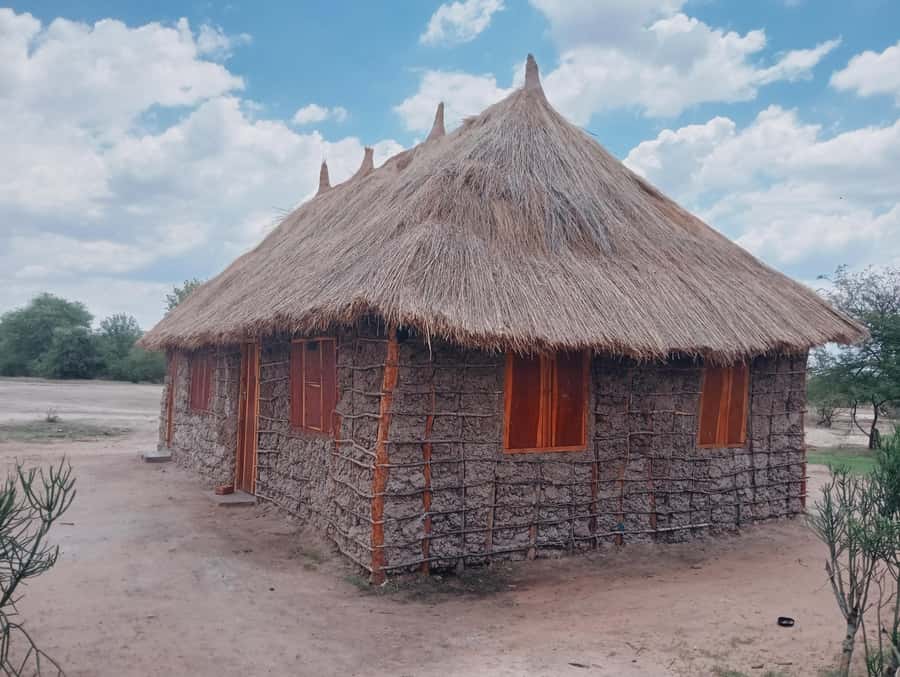
A particularly useful part of the visit is learning how traditional buildings are constructed. This takes an ordinary structure and makes it worth looking at closely. You learn that a home is not just a background for a photograph. Its design reflects local skills, available materials, and practical needs.
The pace should allow time for questions. Ask Alex to explain unfamiliar details, and take care not to wander into private spaces without permission. A village tour works best when you remember that people live here. Your curiosity should be friendly, not intrusive.
You will also learn some Lozi words. This is a small feature, but it can change the tone of an encounter. Even a few greetings or simple expressions show that you are making an effort to meet the community on its own terms.
Meeting local people and children
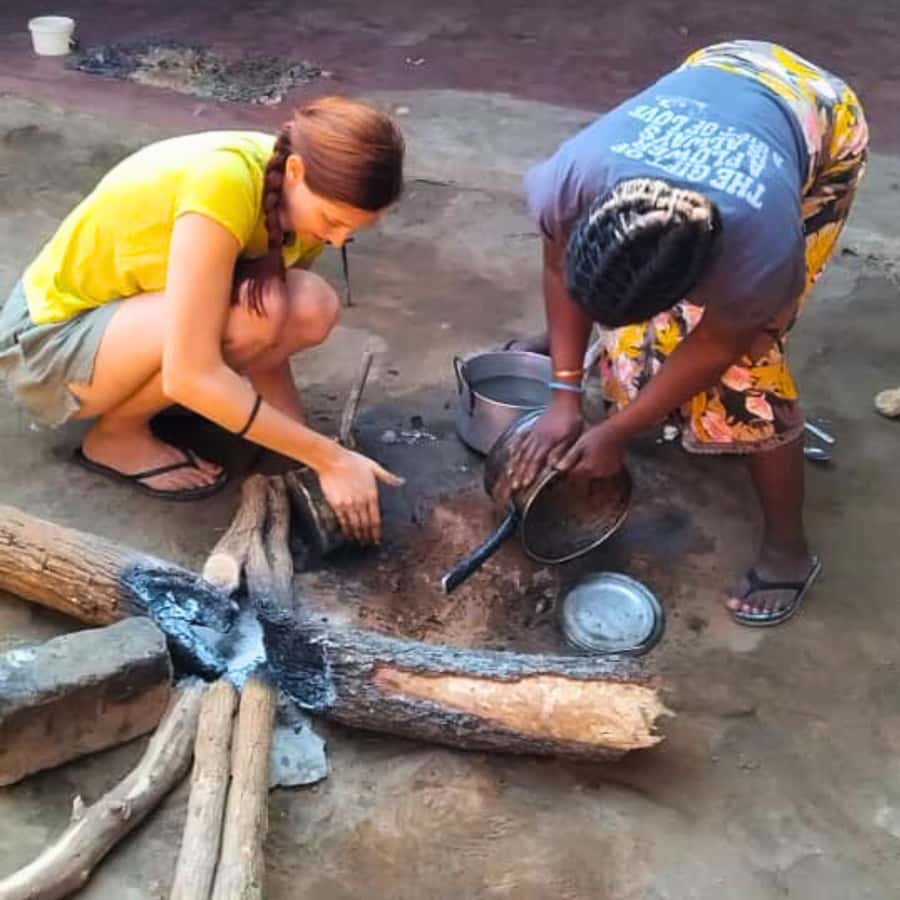
The social side of the tour is one of its biggest draws. The village is known for friendly local people, and you have time to greet residents and connect with children.
The information provided for this experience places special emphasis on playing with the kids. That may be a highlight for families and for anyone who enjoys relaxed, human contact rather than a formal sightseeing route. A school visit also gives the children a chance to sing and dance, creating one of the most memorable parts of the morning or afternoon.
Still, approach this part with care. Children are not an attraction, and you should follow Alex’s lead about photographs, gifts, and physical play. The best interaction is respectful and natural. Smile, listen, join in when invited, and avoid treating the school like a stage built for visitors.
The strongest praise for this experience centers on the children, the friendly community, and Alex’s warm manner. That tells you where the tour’s real value lies. You are not coming for grand monuments. You are coming for a personal exchange and a better understanding of how people in Muke live.
More things to do at Victoria Falls:
- Helicopter Scenic Flight over Victoria Falls 12-13 minutes Flight
★ 5.0 · 1,391 reviews - Victoria Falls: Dinner Cruise on the Zambezi River
★ 4.9 · 925 reviews - Victoria Falls: Chobe National Park Day Trip with Lunch
★ 4.7 · 518 reviews - Dinner Cruise on the Zambezi River
★ 5.0 · 518 reviews
Visiting Tusoleke Trust School
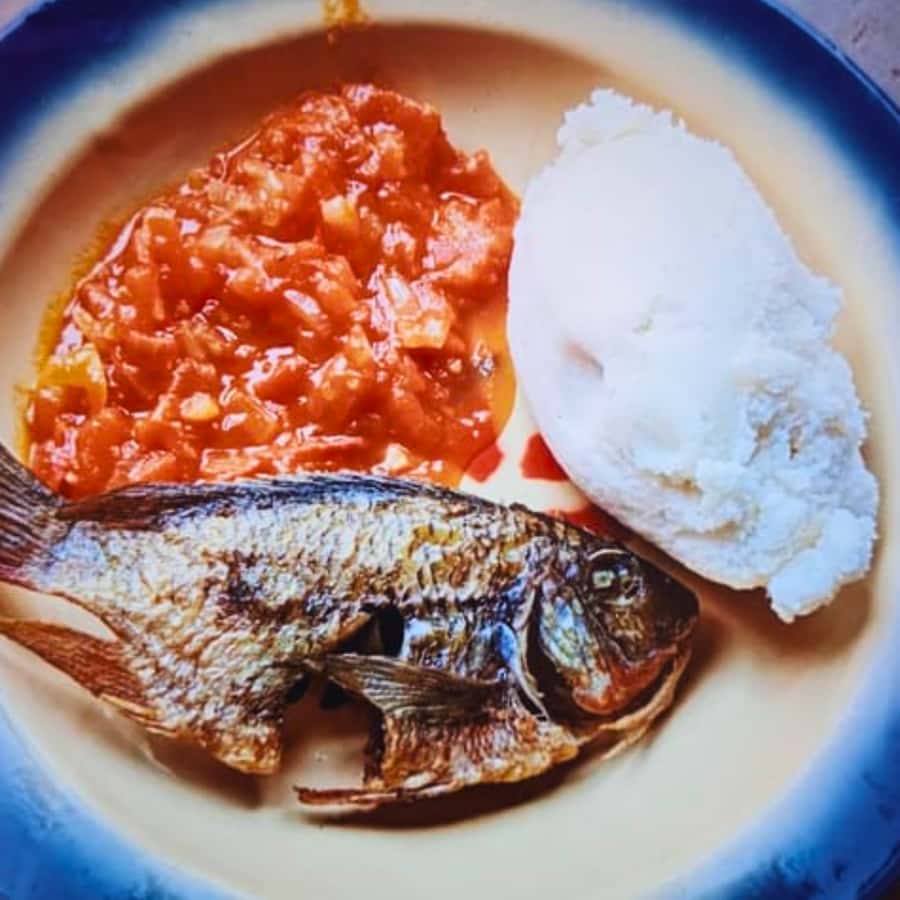
The visit to Tusoleke Trust School gives the tour its clearest community focus. Alex founded the school, and the money from these village visits goes directly toward helping it.
For you, this means the school is not an unrelated stop added to fill time. It is tied to the purpose of the entire experience. You can see the institution that benefits from your booking and understand why community-based tourism matters here.
The school visit may include time with the children and a performance of singing and dancing. This can be joyful, but it is worth keeping your expectations in check. School schedules and community activities can change, and the supplied details do not promise a fixed performance every time.
The visit also gives you a chance to ask about education in the area. Alex’s role as school founder and vice-chair of the Simonga World Development Committee gives him a direct connection to local development issues. He is not only explaining village life from a distance. He is involved in a project that serves the community.
If you are looking for a tour that puts money into a local cause, this is a strong point. If you prefer a purely sightseeing-focused outing with no school or community element, you may find the educational purpose less central to your interests.
Seeing how local alcohol is made
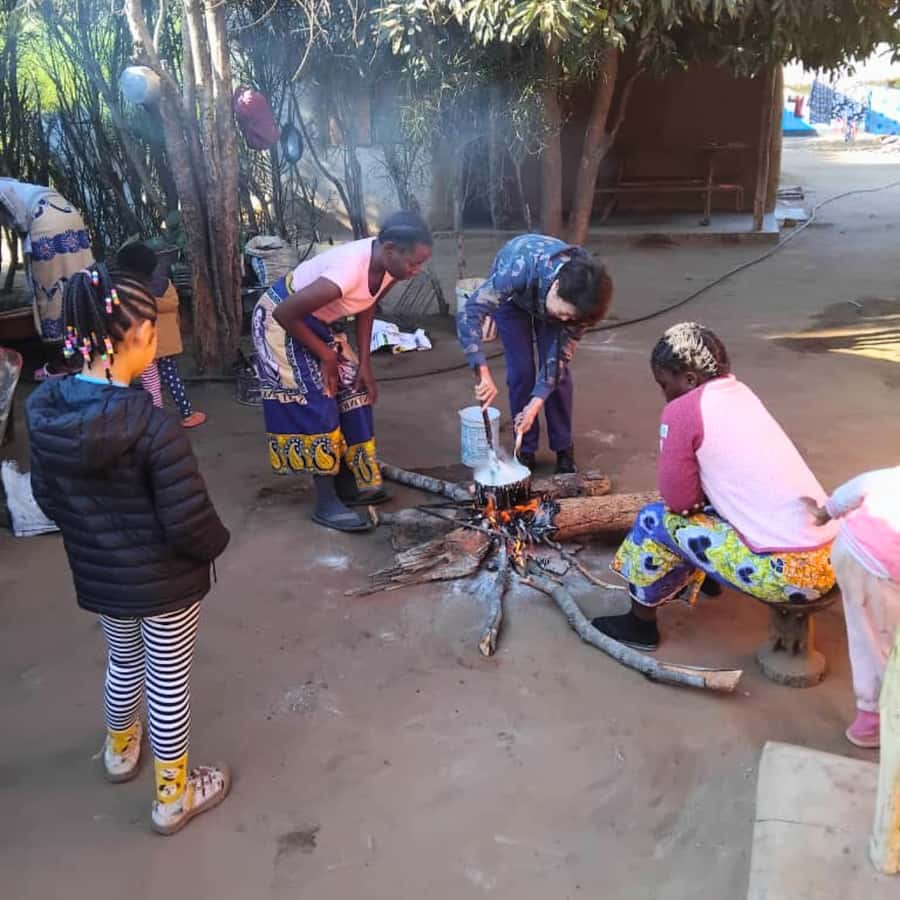
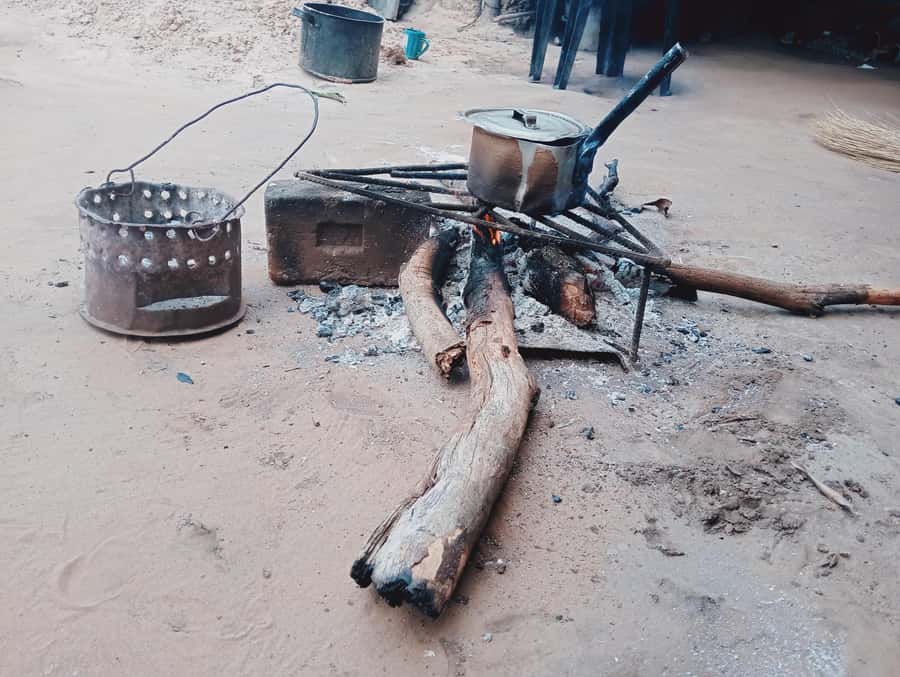
The tour includes an explanation of how local alcohol is produced. This is one of the more unusual details, since it covers a practical household tradition rather than a standard sightseeing subject.
You are learning about the process and local practice, not signing up for a drinking session. The description does not state that alcohol tasting is included, so do not assume it is. Alex explains how it is made, giving you a glimpse into an aspect of village life that might otherwise remain invisible.
This stop can help you understand how local communities use available ingredients and traditional knowledge. It also adds variety to the walk. You move from buildings and community spaces to a household process with its own place in daily life.
Ask questions, but keep them respectful. Alcohol production can be tied to customs, income, celebrations, or family life. The point is not to judge the practice, but to understand it in context.
Coffee, tea, and the small comforts
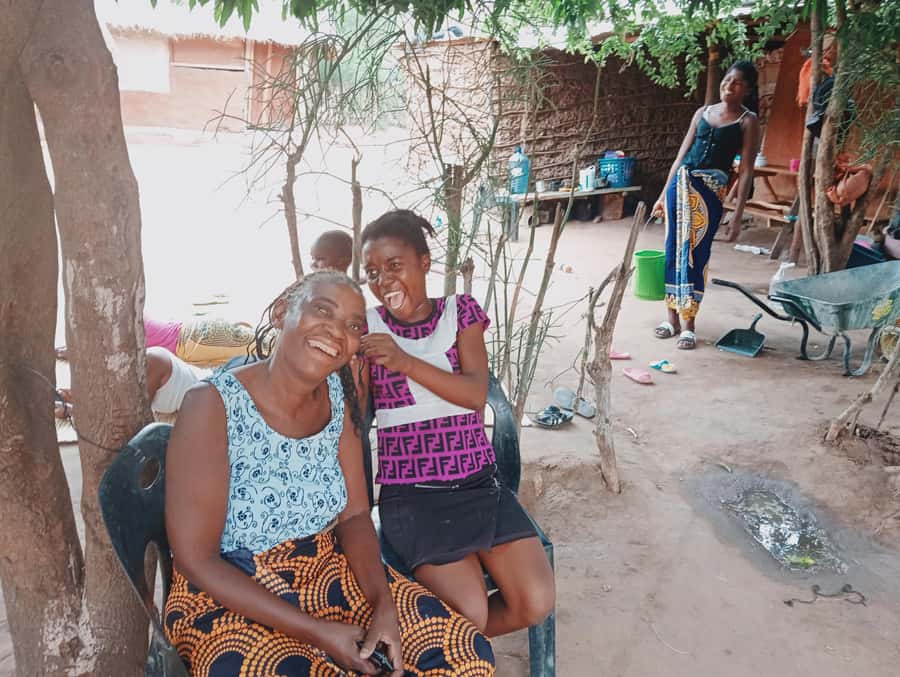
Coffee and tea are included, giving you a simple pause during the visit. It is a modest feature, but useful after walking and talking in the sun.
You should not treat the refreshments as a replacement for water. The tour specifically excludes water and advises you to bring enough for the full trip. Pack a reusable bottle if you have one, and consider carrying more than you think you need if the day is hot.
The refreshments also create an informal moment. A cup of tea can make conversation easier, especially after the more structured parts of the school and village walk. You may have time to ask follow-up questions or practice a few Lozi words with your guide.
Bring sunscreen and biodegradable insect repellent. Rain gear is also recommended, which tells you that weather can affect the comfort of the visit. The tour can still be worthwhile in changing conditions, but the village walk is easier when you are prepared.
Is $50 per person good value?

At $50 per person, the price is reasonable if you value local guiding, private transport, and community support. You receive pickup and return transport from Livingstone, an English-speaking local guide, the village walk, the school visit, demonstrations about buildings and alcohol, Lozi words, coffee, and tea.
The most important value is the destination of the money. All profits from the tour go directly to Tusoleke Trust School. That gives the fee a purpose beyond the usual cost of a half-day excursion.
Still, value depends on what you want from a tour. You are not paying for a major landmark, a long scenic drive, or a large number of formal attractions. The experience is centered on people, conversation, and local life. If you prefer self-guided sightseeing, $50 may feel high for a 3.5-hour outing. If you want a private community visit with transportation and a clear educational benefit, the price makes more sense.
The private-group format helps. You are paying for an experience that can be more personal than a standard group tour, with time for questions and a closer connection to the guide.
Who should book this experience?
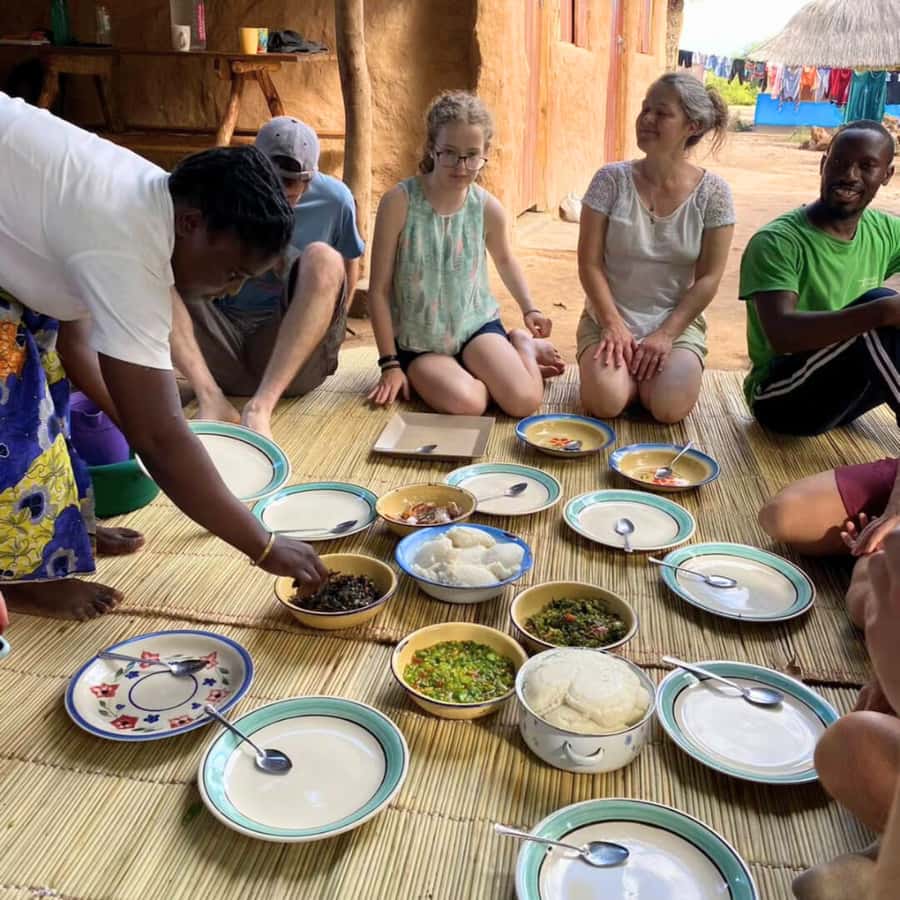
I would recommend the tour to you if you want to understand more about life around Livingstone beyond the main attractions. It suits families, curious first-time visitors, students, and anyone who values community-led tourism.
It is particularly good for people who enjoy meeting residents and asking practical questions. You should be comfortable with a simple, people-focused outing rather than expecting polished entertainment at every stop.
Families may enjoy the time with children, though parents should help young visitors behave respectfully at the school and in the village. You should also be ready for outdoor walking and bring your own water.
The tour may not suit you if you want a private luxury experience, a strict minute-by-minute schedule, or a visit built around architecture and scenery alone. The main attraction is human contact, and that requires an open attitude.
Booking details worth knowing
The tour lasts 3.5 hours and includes pickup from your Livingstone hotel or hostel. Wait in the lobby 10 minutes before pickup, and check available starting times when you reserve.
The live tour is in English, and the group type is private. You can cancel up to 24 hours in advance for a full refund. A reserve-now, pay-later option is also available, which helps if your Livingstone plans are still taking shape.
Pack sunscreen, water, rain gear, and biodegradable insect repellent. Since no water is included, make that bottle your first item in your day bag.
Should you book the Muke village tour?
Book it if you want a close look at village life, friendly conversation, and a school visit that directly benefits from your payment. Alex Jakanani’s connection to Muke and Tusoleke Trust School gives the tour a personal purpose, while the building and alcohol demonstrations add useful detail.
I would choose this over a generic cultural stop if you have a free half-day in Livingstone and want to meet people rather than simply watch a performance. Just arrive prepared for sun, walking, and a real community setting. Bring water, respect local boundaries, and let the experience unfold at its own pace.
FAQ
How long does the Muke village tour last?
The tour lasts 3.5 hours, including transportation, the village walk, school visit, local explanations, and refreshments.
How far is Muke village from Livingstone?
Muke village is about 20 minutes from Livingstone.
Is transportation included?
Yes. Pickup and return transportation from Livingstone are included. You should wait in your hotel or hostel lobby 10 minutes before the scheduled pickup time.
Who leads the tour?
The tour is led in English by Alex Jakanani, the vice-chair of the Simonga World Development Committee and founder of Tusoleke Trust School.
Is water included?
No. Coffee and tea are included, but you must bring enough water for the whole trip.
What does the tour price support?
All profits from the village tours go directly to helping Tusoleke Trust School.
Just added in Victoria Falls
- Zambia : Victoria Falls : Nature Bike Tour★ 5.0 · 2 reviews
- Zimbabwe: Victoria Falls Full-Day Package★ 5.0 · 2 reviews
- Zambezi River: Kid-Friendly Whitewater Rafting★ 5.0 · 3 reviews
- Zambezi 3hr Game Drive★ 4.6 · 5 reviews
- Zambezi National Park Private Wildlife Safari (4 – 10 hours)★ 4.9 · 9 reviews
- Zambezi River: Dinner Cruise★ 5.0 · 2 reviews
- Victoria Falls Village Cultural Tour – Authentic Experience★ 5.0 · 3 reviews
- Victoria Falls: Zambezi River White Water Rafting Experience★ 5.0 · 7 reviews
Village and Culture Tours, compared.
Victoria Falls Gorge Hike & Farm to Table Village Lunch
Read our review →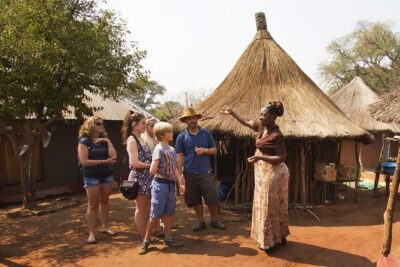
Victoria Falls Rural Tour: Village Life Experience
Read our review →


Livingstone: Amazing Traditional Village & Dance Culture
Read our review →
Cultural Village Tour,Interacting With the Communal Villagers (Educational Trip)
Read our review →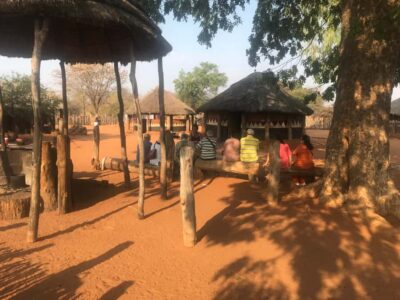
Browse the lists this tour appears in