
REVIEW · BULAWAYO AND MATOBO HILLS TOURS
Bulawayo City Guided Tour
Bulawayo rewards curious eyes. This four-hour tour brings together the city’s Ndebele royal roots and its grand Victorian-era center, then adds the Railway Museum, Makokoba township, local snacks, and an arts and crafts stop. I especially like the mix of big civic landmarks and ordinary neighborhood life. You are not simply looking at buildings from a vehicle. You also walk, taste, browse, and meet people along the way.
I also like that the Railway Museum includes Cecil Rhodes’ personal railway coach from 1897, a very specific object that gives Zimbabwe’s railway story a human face. The main consideration is the walking: the tour includes several stops and a moderate amount of time on foot, so hot weather, weak footwear, or limited stamina could make the four hours feel long.
In This Review
- Key points at a glance
- Starting in Bulawayo, the City of Kings
- Bulawayo Dolobho and the Ndebele Kings
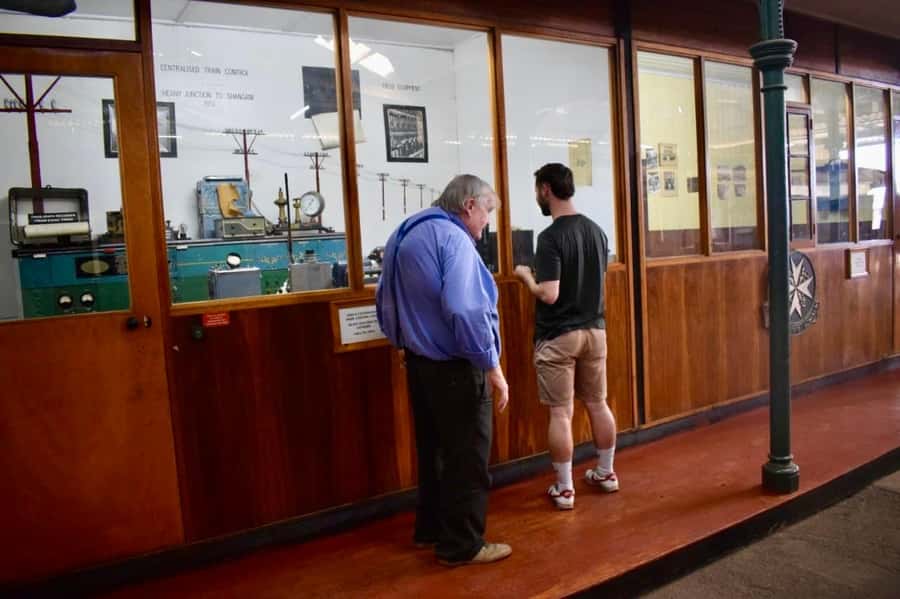
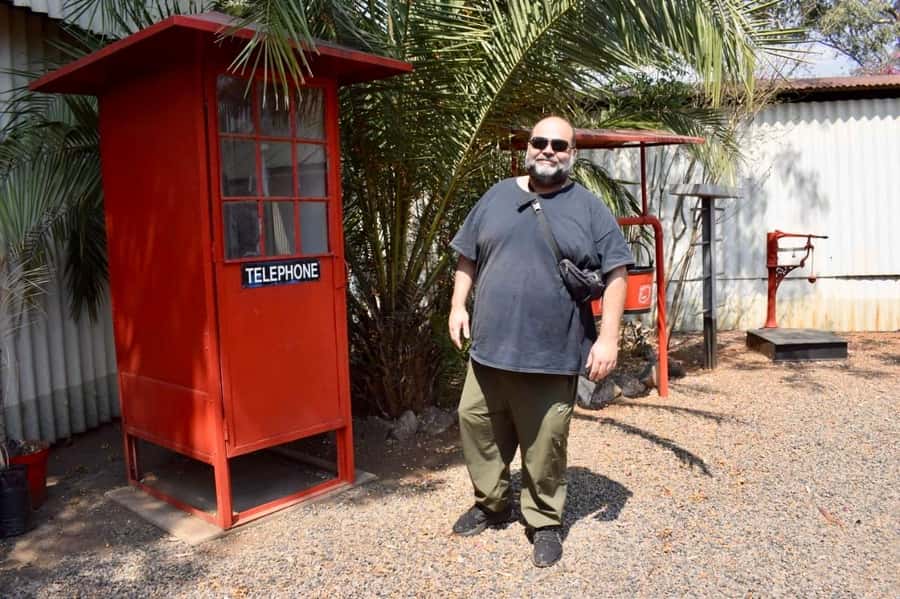
- The Railway Museum and a 1897 coach
- Victorian buildings along the main street
- Makokoba, Bulawayo’s oldest township
- Local food, snacks, and nearby eateries
- The arts and crafts center
- Is $55 good value for four hours?
- Walking, weather, and what to bring
- Who will enjoy this Bulawayo tour most?
- Should you book the Bulawayo City Guided Tour?
- FAQ
- Where does the Bulawayo City Guided Tour begin and end?
- How long does the tour last?
- What language is the tour conducted in?
- Is the Railway Museum included?
- Will I see Cecil Rhodes’ railway coach?
- Does the tour visit Makokoba township?
- Are food and refreshments included?
- Is shopping included in the price?
Key points at a glance
- Bulawayo Dolobho: Learn about the site connected with the first settlement of the Ndebele Kings.
- 1897 railway coach: See Cecil Rhodes’ personal coach at the Railway Museum.
- Victorian main street: View the post office, Art Gallery, Exchange Building, City Hall, and Joshua Nkomo statue.
- Makokoba township: Visit Bulawayo’s oldest township and see its oldest homes with a local guide.
- Food and crafts: Sample local snacks, visit nearby eateries, and pass through a working arts and crafts center.
- Simple four-hour plan: Pickup and drop-off in Bulawayo, entry fees, refreshments, and an English-speaking guide are included.
Starting in Bulawayo, the City of Kings
The tour begins with pickup in Bulawayo. Look for the white safari truck, a useful detail if you are meeting the tour in a busy city area. Since pickup and drop-off are included, you do not need to arrange separate transport between the stops.
Bulawayo is known here as the City of Kings, and the tour starts with that identity rather than treating the city as just another stop between national parks. The focus is on how royal Ndebele roots, colonial-era planning, railway development, civic buildings, and township life fit together.
That broad approach matters. A short city tour can easily become a list of dates and facades. This one gives you several ways to understand Bulawayo: through political history, transport, architecture, food, crafts, and local homes. You get a city that feels lived in, not just photographed.
The guide leads in English. Because the tour covers both walking and vehicle travel, you can expect a changing pace. Some stops call for looking and listening, while others give you time to walk around, browse, or try local food.
More trips around Bulawayo and the Matobo Hills:
- The Best of Matobo
★ 5.0 · 39 reviews - Matobo Rhino Encounter
★ 5.0 · 33 reviews - Matobo Hills Day Trip with Rhino Tracking
★ 5.0 · 22 reviews
Bulawayo Dolobho and the Ndebele Kings
One of the first important stops is Bulawayo Dolobho, described as the first settlement of the Ndebele Kings. This gives the tour an early historical anchor.
I find this kind of opening useful because it places the city’s name and identity before the later colonial architecture. You start with the Ndebele story, then see how Bulawayo developed into the city you find today. The stop is likely to appeal most if you want more than a quick city orientation and are interested in the roots of local culture.
The value here comes from the guide’s explanation. A site connected with royal settlement means more when someone can explain its place in Bulawayo’s past. You should listen for the connection between the Ndebele Kings and the city’s title, City of Kings.
The supplied details do not specify how long you remain at Bulawayo Dolobho or what physical facilities are available there. Plan for a practical outdoor visit. Comfortable shoes, a hat, sunglasses, sunscreen, and insect repellent are sensible choices.
The Railway Museum and a 1897 coach
The Railway Museum offers a different view of Zimbabwe. Instead of focusing only on rulers and public buildings, it shows how rail transport helped shape the country’s development.
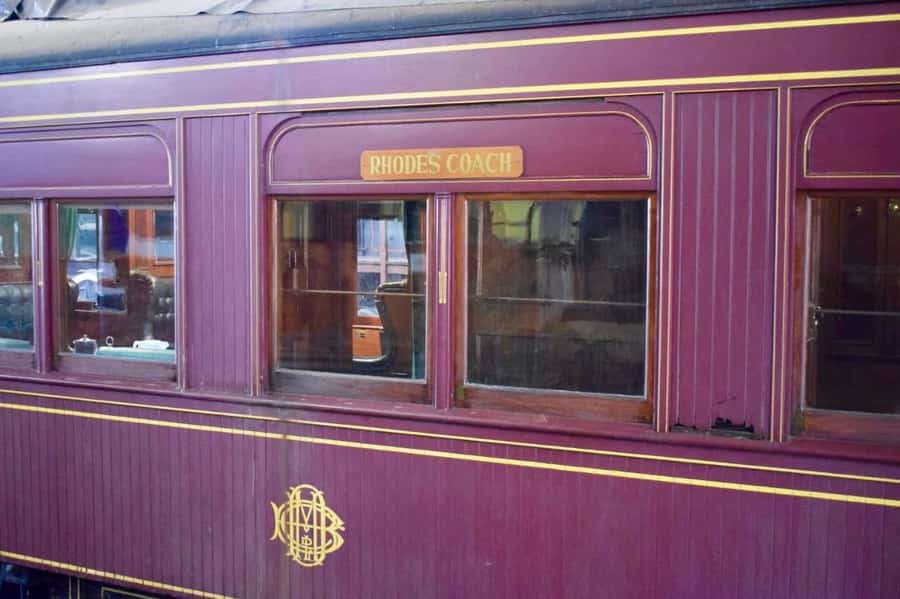
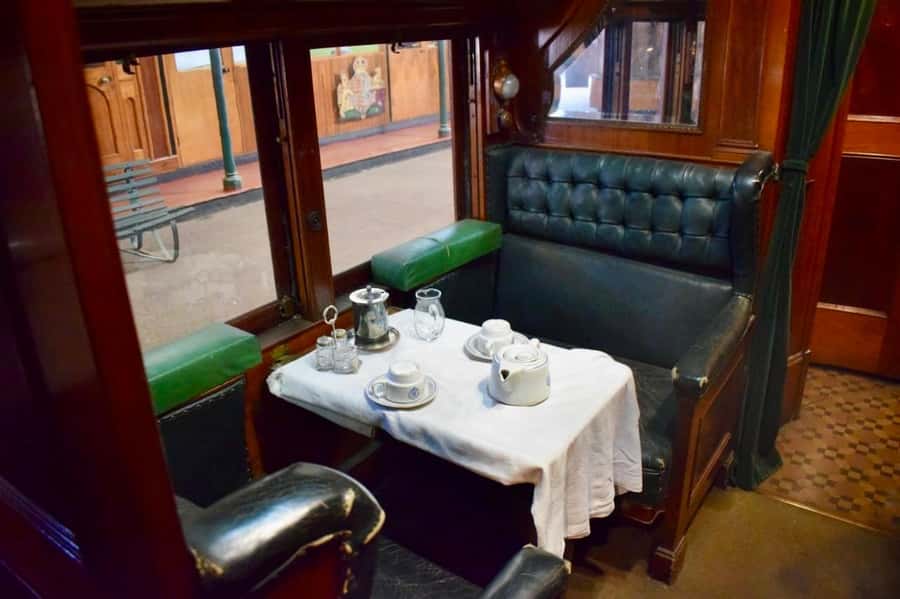
The most memorable object listed for the visit is Cecil Rhodes’ personal railway coach from 1897. A coach is more revealing than a general statement about railway expansion. You can picture the people, status, and technology tied to rail travel during that period.
I like this stop because it adds a physical object to the tour’s historical story. You are not only hearing that railways mattered. You are seeing a surviving piece of that era.
The museum also breaks up the walking. After the royal and cultural focus of the earlier stop, the railway collection shifts your attention to engineering, movement, and national development. It is a good match for anyone interested in trains, colonial-era transport, or the way infrastructure changes a city.
Entry fees are included, so you do not need to set aside extra money for the museum. The visit is part of the four-hour schedule, which means you should expect an introduction rather than an unlimited amount of time to examine every display.
Victorian buildings along the main street
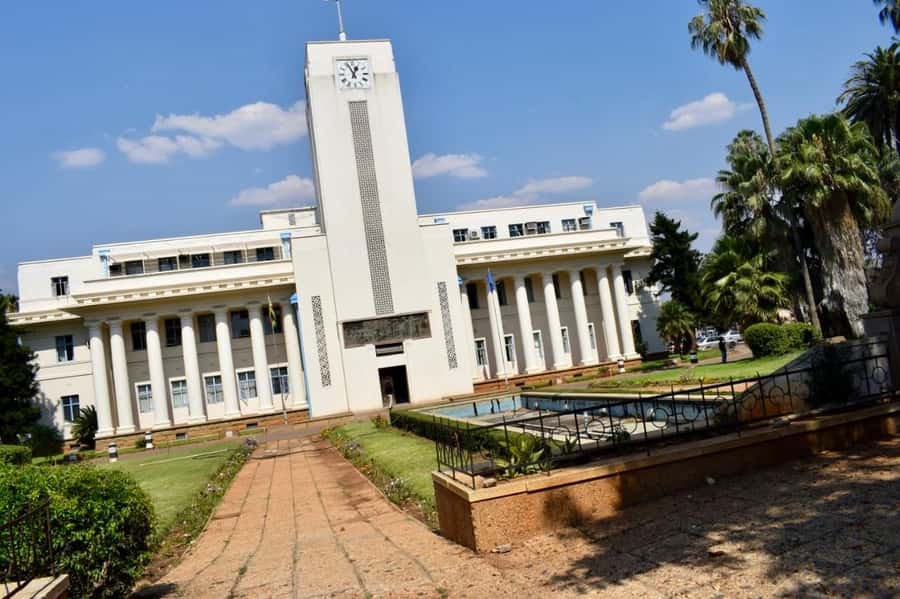
The city center provides the tour’s strongest architectural section. Along the main street, you pass the post office, Art Gallery, Exchange Building, City Hall, and the Joshua Nkomo statue.
These buildings give you a clear sense of Bulawayo’s Victorian-era character. The stop works best if you look beyond individual decoration and notice the contrast between civic architecture and the city’s Ndebele foundations.
The post office and City Hall represent the formal face of public life. The Exchange Building points toward commerce, while the Art Gallery adds a cultural layer. The Joshua Nkomo statue brings a more recent political figure into the same central setting.
I would keep your camera ready, but do not let photography turn the walk into a scavenger hunt. The guide’s comments are what connect the buildings. Ask questions if you want to understand how the different sites relate to Bulawayo’s growth.
This section also suits visitors who prefer a gentle city walk to a long museum visit. The main street offers a concentrated look at architecture, public memory, and urban planning. The drawback is the same as with any outdoor city circuit: sun and heat can make the walk more demanding than the distance suggests.
More town sightseeing in Zimbabwe:
- Harare City Tour & Zimbabwe Highlights
★ 3.5 · 14 reviews - HARARE CITY TOUR ADVENTURES !!
★ 4.9 · 6 reviews - Half Day Livingstone City, Museum and Victoria Falls Tour
★ 4.5 · 2 reviews
Makokoba, Bulawayo’s oldest township
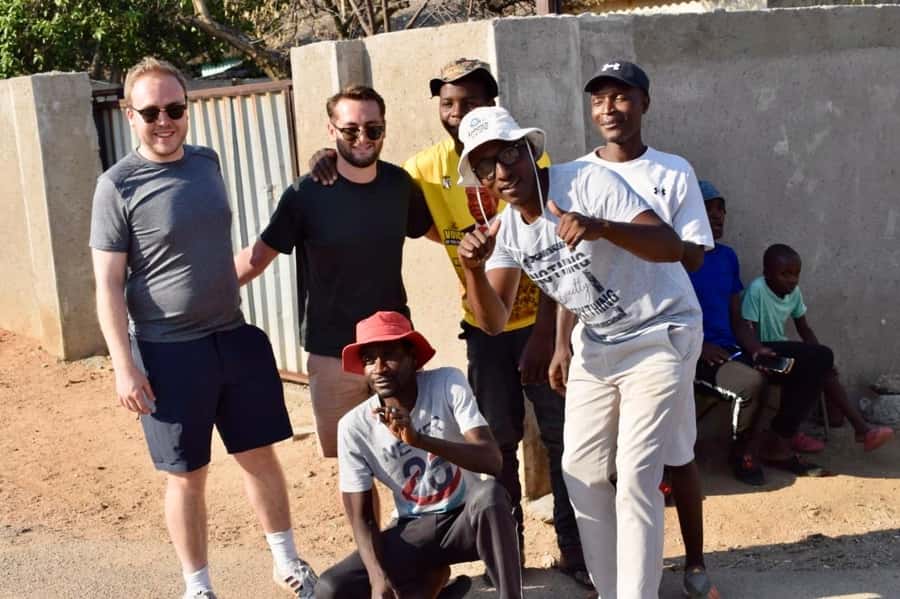
The visit to Makokoba changes the mood and scale of the tour. You leave the formal main street and enter Bulawayo’s oldest township, where the guide takes you past the area’s oldest homes and introduces you to residents.
This is one of the most meaningful parts of the experience because it places local life beside the city’s official monuments. The buildings in the center tell one story. Makokoba helps you see how communities shaped the city from the ground up.
You should approach this stop with respect and attention. It is not a staged heritage display. The value comes from seeing the township as a lived-in place and hearing the guide explain its character. The tour details do not promise a set performance or formal presentation, so expect conversation, observation, and an introduction to the area.
The stop may be especially worthwhile if you want to understand more than Bulawayo’s public face. You will see older homes and have the chance to meet residents through the local guide. At the same time, you should remember that this is a neighborhood, not a museum. Be considerate with photographs and follow the guide’s lead.
Local food, snacks, and nearby eateries
Food is included in a modest but useful way. The tour provides snacks and refreshments, and the guide introduces you to local cuisine at nearby eateries.
That can make a big difference during a four-hour outing. You get a chance to taste something connected with the city instead of spending the whole tour on familiar packaged food. The exact dishes are not specified, so you should not book this expecting a full meal or a fixed tasting menu.
Think of the food stop as an introduction. If a particular snack interests you, ask the guide what it is and where you might find more of it later. Personal food purchases beyond the included snacks and refreshments are your responsibility.
This part also adds a natural pause during the day. A short break can help after walking through the main street or Makokoba, especially in warm weather. If you have allergies or dietary restrictions, the available information does not state how these are handled, so ask before booking.
The arts and crafts center
The arts and crafts stop gives you a look at local making and provides a chance to shop. You pass through a center where artisans are at work, so the emphasis is not only on finished souvenirs but also on the process behind them.
I prefer craft stops that let you see people working. It is easier to understand the time and skill involved when you watch an item being made rather than finding it on a crowded shelf with no context.
You can browse and make personal purchases, but shopping is not included in the $55 price. Treat this as an optional part of the day. You do not need to buy anything to enjoy the visit, and you should leave room in your budget if you want to take home a piece of local craftwork.
Because the tour combines the craft center with food and sightseeing, it avoids making shopping the whole point. That balance is helpful. You get cultural context first, then the option to buy.
Is $55 good value for four hours?
The price is $55 per person. For that fee, you receive a four-hour guided tour, pickup and drop-off in Bulawayo, all entry fees, snacks, refreshments, and visits to several different parts of the city.
I consider that a fair value if you want structure and local context. Booking separate transport, paying individual entry fees, finding the Railway Museum, and arranging an introduction to Makokoba could take more time and create a less connected day.
The value is strongest for a first visit to Bulawayo or for anyone with only a short window in the city. You get history, architecture, transport, township life, food, and crafts in one outing. The price is less attractive if you only want to see the main street or prefer exploring at your own pace.
Personal shopping is not included. That is easy to understand, but remember that the arts and crafts center may tempt you to spend more.
Walking, weather, and what to bring
The tour is wheelchair accessible, but the schedule still includes a moderate amount of walking. If you use a wheelchair or have mobility concerns, confirm how each stop will work for you before departure, since the provided details do not explain the surfaces or access arrangements at every site.
Wear comfortable walking shoes and clothing suited to the weather. Bring:
- Sunglasses
- A hat
- Sunscreen
- Insect repellent
These are not fussy extras. The itinerary includes outdoor sightseeing and neighborhood walking, and protection from sun and insects can make the difference between enjoying the day and simply getting through it.
The tour lasts four hours, with the main sightseeing portion listed at about three hours and 45 minutes before returning to Bulawayo. Starting times depend on availability, so check the schedule when you book.
Free cancellation is available up to 24 hours in advance for a full refund. You can also reserve now and pay later, which helps if your Zimbabwe plans are still shifting.
Who will enjoy this Bulawayo tour most?
I would recommend this tour to you if you want a guided first look at Bulawayo and care about local context. It fits people who enjoy a blend of museums, architecture, neighborhoods, food, and crafts rather than one long stop at a single attraction.
It is also a good choice if transport planning is not your strength. Pickup, drop-off, entry fees, and refreshments are already covered, and the white safari truck makes the meeting vehicle easy to identify.
Families and older visitors may appreciate the four-hour length, though the moderate walking should be taken seriously. History fans will get the most from Bulawayo Dolobho, the Victorian center, and the Railway Museum. Art and shopping fans will prefer the Art Gallery and arts and crafts center.
You may want to skip it if you dislike guided pacing, do not want to visit a residential township, or prefer spending an entire day at museums. The tour gives you an overview with several short experiences, not an exhaustive study of any one subject.
Should you book the Bulawayo City Guided Tour?
Book it if you want Bulawayo explained as a real city with several layers. The combination of Ndebele royal history, Cecil Rhodes’ 1897 railway coach, Victorian buildings, Makokoba homes, local food, and working artisans gives you more than a standard city drive.
I especially recommend it for a first visit, a short stay, or a day when you want local guidance without arranging every detail yourself. At $55, the included transport, entry fees, snacks, and four hours of varied sightseeing make the price reasonable.
Skip it if your priority is complete independence or a slow, specialist visit to one museum. Otherwise, bring good shoes, sun protection, and enough curiosity to look past the grand buildings. That is where Bulawayo becomes most interesting.
FAQ
Where does the Bulawayo City Guided Tour begin and end?
Pickup and drop-off are included in Bulawayo. Look for the white safari truck at pickup.
How long does the tour last?
The tour lasts four hours. The main sightseeing portion is listed as approximately three hours and 45 minutes.
What language is the tour conducted in?
The live tour guide conducts the experience in English.
Is the Railway Museum included?
Yes. The tour includes a visit to the Railway Museum, and all entry fees are included.
Will I see Cecil Rhodes’ railway coach?
Yes. The Railway Museum visit includes Cecil Rhodes’ personal railway coach from 1897.
Does the tour visit Makokoba township?
Yes. You visit Makokoba, described as Bulawayo’s oldest township, see its oldest homes, and are introduced to residents by the local guide.
Are food and refreshments included?
Yes. Snacks and refreshments are included, and the guide introduces you to local cuisine at nearby eateries.
Is shopping included in the price?
No. Personal shopping expenses are not included. You can browse at the arts and crafts center and pay separately for anything you choose to buy.
Just added in Zimbabwe
- Zimbabwe & Zambia side :Private Guided tour of the Falls★ 5.0 · 2 reviews
- Zambia : Victoria Falls : Nature Bike Tour★ 5.0 · 2 reviews
- Zimbabwe: Victoria Falls Full-Day Package★ 5.0 · 2 reviews
- Zimbabwe: Sundowner Cruise (Standard) Zambezi River★ 4.8 · 5 reviews
- Zambezi River: Kid-Friendly Whitewater Rafting★ 5.0 · 3 reviews
- Zambezi Night Game Drive★ 5.0 · 1 review
- Zambezi River: Dinner Cruise★ 5.0 · 2 reviews
- Zambezi 3hr Game Drive★ 4.6 · 5 reviews
Bulawayo and Matobo Hills Tours, compared.
Khami Ruins & Matopos Silunguzi Village Day Tour!
Read our review →Browse the lists this tour appears in